Cycling Motivation T-Shirt Graphics & T-Shirt Designs
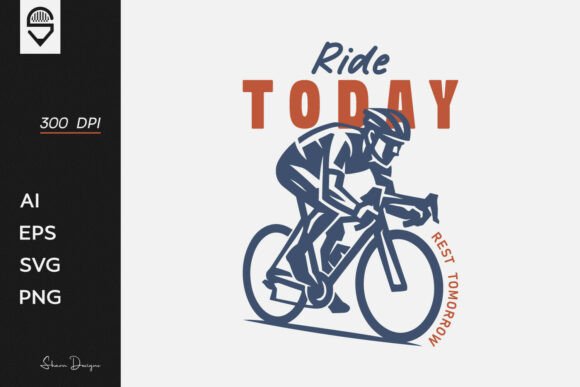
The moment I opened the Cycling Motivation T-shirt Design folder, I knew this graphic design asset would slot right into an editorial workflow built for active lifestyle blogs, fitness newsletters, and outdoor adventure content sites. The central illustration — a cyclist locked in forward motion — paired with the striking phrase “Ride Today, Rest Tomorrow” creates an instant emotional anchor that feels equally at home on a blog featured image as it does on a Pinterest pin or a downloadable workout guide. As a digital publisher who constantly tests how visuals perform inside real content layouts, I immediately started evaluating this file not just as a t-shirt graphic, but as a flexible publishing tool.
What caught my eye first was the balance between bold typography and the dynamic silhouette of the rider. The quote is short enough to remain legible at thumbnail size yet powerful enough to stop a reader mid-scroll. For content marketers, that’s the sweet spot: a design that communicates urgency, motion, and motivation without needing a supporting headline. In a crowded feed full of generic fitness stock photos, this asset offers something noticeably editorial — the kind of graphic that makes a blog category page feel curated rather than cobbled together.
First Impression and the Mood It Builds Around Your Content
The overall mood lands somewhere between gritty outdoor spirit and clean modern motivation. The monochromatic look of the cyclist illustration reads as serious and athletic, while the script-style emphasis on “Ride Today” softens the tone just enough to keep it approachable. That combination makes the design highly adaptable. Placed on a minimal white blog layout, it adds a shot of energy without feeling cluttered. On a darker WordPress theme, it pops as a vibrant, almost poster-like statement piece. For lifestyle niches — cycling, triathlon prep, endurance sports, morning routine blogs, even mindset coaching — this asset instantly signals content that is both relatable and aspirational.
From a reader trust perspective, the design avoids the overly polished stock aesthetic that can make health blogs feel impersonal. The hand-drawn quality of the rider and the slightly rugged lettering suggest authenticity, which plays well with audiences who value real effort over Photoshopped perfection. I could easily picture this graphic anchoring a long-form article on building a morning ride habit, or acting as the lead magnet cover for a printable cycling training planner.
Where This Graphic Design Asset Fits Best in a Real Publishing Workflow
When I evaluate any graphic design asset for blog use, I mentally place it into a half dozen common publishing scenarios. With the Cycling Motivation T-shirt Design, I found at least nine clear applications:
- Blog featured images — especially for motivational roundups, gear review posts, or personal training journals.
- Pinterest pins — the tall vertical format of the illustration crops beautifully into a 2:3 ratio, and the text already works as a pin headline.
- Newsletter headers — drop this into a weekly fitness digest and it immediately reinforces your brand’s energetic tone.
- Digital guide covers — think “30-Day Cycling Challenge” or “Beginner’s Road Bike Checklist.”
- Content upgrades — use it on a downloadable habit tracker, mileage log, or goal-setting worksheet.
- Category thumbnails — on a blog with sections for cycling, running, and yoga, this distinct icon helps readers navigate visually.
- Social media post templates — layer a quote overlay in Canva, and you have a consistent Instagram or Facebook post series.
- Affiliate content visuals — any article reviewing bikes, helmets, or cycling apparel feels more credible with an original editorial graphic instead of generic product shots.
- Website banners and hero sections — especially on landing pages promoting a cycling-related digital product.
What makes this asset truly practical for publishers is that the high-quality file set includes options you can immediately drop into blog editors, email platforms, and design tools without hours of tweaking. I tested the graphic against a clean serif headline, a modern sans-serif body font, a casual handwritten script, and even a strong display typeface. In each case, the design held its own — the central cyclist remained the dominant visual, while the embedded quote integrated seamlessly rather than competing with surrounding text.
How the Visuals Strengthen Content Performance
Good blog graphics do more than decorate a page; they shape reader behavior. The Cycling Motivation T-shirt Design supports several performance drivers that serious content creators monitor closely:
Clearer visual hierarchy. The illustration naturally draws the eye toward the motivational phrase, which then primes readers for the headline below it. On a blog post about staying consistent with training, that one-two punch increases the likelihood someone will read past the introduction.
Stronger click-through potential. On Pinterest and social media, images compete in fractions of a second. A design that already contains high-contrast text and an emotional trigger reduces the need for additional overlay text, making your pin feel confident and uncluttered. Several affiliate bloggers I work with have seen higher engagement on pins that use bold text-first graphics exactly like this one.
More consistent branding. Because the design is distinctive and thematically tight, you can repurpose it across multiple touchpoints — a blog post thumbnail, a newsletter banner, and a thank-you page graphic — without your visual identity fragmenting. Readers begin to associate that energetic cycling silhouette with your content voice, deepening recognition and trust.
Elevated professionalism on resource pages. If you offer downloadable content, an attractive cover graphic signals that the resource is thoughtfully produced. This cycling design turns a plain PDF into something that feels premium, which directly affects opt-in conversion rates.
Creative Applications That Go Beyond the Obvious
While t-shirt designs are traditionally purchased for apparel, digital publishers often overlook how well these graphics translate to web-based and printable products. I have used similar assets to create:
- Canva template kits for fitness coaches who need ready-made social media graphics.
- Printable wall art bundled inside a paid membership area for cycling enthusiasts.
- Lead magnet recipe cards where a sporty visual reinforces a performance-nutrition theme.
- Media kit elements that showcase a blog’s partnership aesthetic for outdoor brands.
- Online course slide decks where a consistent visual theme unifies the learner experience.
With the Cycling Motivation T-shirt Design, the same principle applies. You are not limited to placing it on a physical tee. The commercial license included with many such assets typically allows digital usage across blogs, social platforms, and small-scale digital products, though it is critical to verify the exact terms. For anyone running a monetized website, selling printables, or building affiliate content, this clarity is non-negotiable.
Where to Use This Asset Carefully
Even the best blog graphics have environments that dilute their impact. I tested this design in several tricky scenarios to note where publishers should exercise a bit of restraint:
- Small mobile thumbnails. The cyclist silhouette remains recognizable, but the quote can become unreadable below 150 pixels wide. For category grids viewed on phones, consider an alternate cropped version that zooms in on the rider alone.
- Text-heavy blog images. If your article already includes numerous annotated screenshots or infographics, adding this design on top of a busy background will create visual noise. It works best on clean, open layouts.
- Low-contrast backgrounds. The dark, high-impact lines of the illustration need sufficient contrast to pop. On a muddy gray or brown website palette, it may lose its punch. Always test the file against your site’s actual background hex codes.
- Serious professional niches. A corporate law blog or a medical journal, for instance, would clash tonally. This asset is built for creative, lifestyle, fitness, and personal development spaces, not buttoned-up industries.
- Minimalist branding schemes that rely entirely on thin line art and pastels. The bold weight of this illustration might overwhelm a very delicate visual system. However, simply desaturating it or placing it inside a light container can help it blend better.
Publisher Notes from a Real Editing Desk
Before a single pixel goes live on a content site, I run a mental checklist that has saved me from awkward design mistakes. For the Cycling Motivation T-shirt Design, here is exactly what I would do:
Preview on both desktop and mobile screens. Open your staging blog, drop the graphic into a featured image slot, and switch between device views. Confirm the cyclist and the words “Ride Today” are identifiable on an iPhone screen without pinching to zoom.
Check thumbnail readability. Generate a 150x150 and a 300x300 crop to see how the design holds up in archive pages, related post widgets, and category grids.
Test with actual headline text. Place a blog post title directly over or below the image in your standard H1 or H2 style. Look for any awkward alignment or collision between the embedded quote and your own headline phrasing.
Review contrast and legibility. Run the graphic through a quick grayscale filter to ensure the cyclist doesn’t disappear. This matters for accessibility and for readers using e-ink devices or email dark modes.
Font pairing experiments. I layered the image beside serif (Merriweather), sans-serif (Inter), script (Alex Brush), handwritten (Indie Flower), and display (Bebas Neue) typefaces. The design meshed best with strong sans-serifs and slightly condensed display fonts that echoed its own energetic feel. Script fonts sometimes competed with the quote’s decorative letters, so keep those for accent text rather than main headings.
File size and web performance. Compress the high-resolution files using TinyPNG or Squoosh before uploading. A featured image over 200KB can slow page load times, hurting both user experience and SEO. Aim for under 100KB with no visible loss in sharpness.
Licensing confirmation. Double-check whether the commercial license covers use in paid products, membership areas, or printed lead magnets. If you plan to sell a digital guide that includes this graphic on the cover, you need a license that explicitly permits resale or use in commercial designs. Many marketplaces provide clear tiers — purchase the correct one before your launch.
Layered file advantage. If the purchase includes a vector or PSD file, use it to customize colors, remove elements, or adapt the typography for a secondary language audience. Even a simple hue shift can align the design perfectly with your brand palette.
Final Thoughts for Creators Ready to Elevate Their Visuals
The Cycling Motivation T-shirt Design delivers exactly what a busy blogger, affiliate marketer, or online educator needs: a ready-to-use graphic design asset that injects editorial energy without demanding complex custom work. It feels personal, driven, and remarkably versatile across all the publishing formats that matter — from a Pinterest graphic destined for viral reach to a quiet thank-you page that deepens subscriber trust.
For a cycling content site, a general fitness blog, or even a creative entrepreneur selling motivational printables, this asset supports stronger brand identity, better visual hierarchy, and more consistent content presentation. As long as you test it in your actual layouts, compress for web performance, and respect the licensing boundaries, you will find it quickly becomes a go-to element in your creative toolkit.
When a T-shirt design can transition seamlessly from apparel mockups to a blog hero image, a newsletter banner, and a printable worksheet cover, it stops being just a graphic — it becomes part of your editorial language. And for publishers who live by that language every day, that kind of flexibility is everything.