Motion and Muscle Trendy T-shirt Design: A Designer's Review
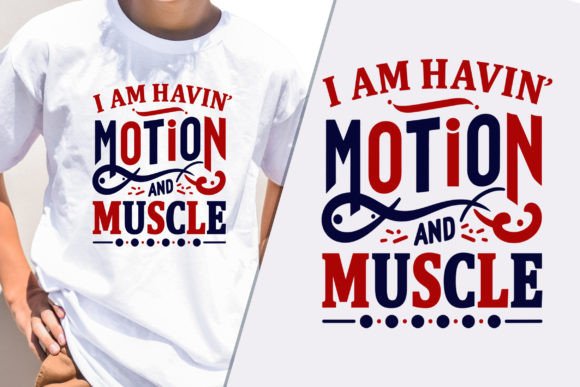
When a new design file lands on my desk, I do not just glance at the preview and call it a day. I think about fabric, thread, hoop size, and the person who will eventually wear or gift the finished piece. That is exactly the lens I am using to evaluate Motion and Muscle Trendy T-shirt Design. This graphic belongs to the T-Shirt Designs category and falls under the Graphics type, which means it was originally created with apparel printing in mind. But my focus here is embroidery. I want to know how this design translates from screen to stitch, and whether it earns a place in a real maker's collection.
What This Design Feels Like at First Glance
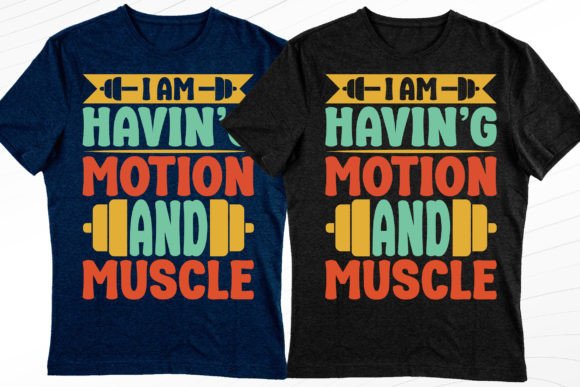
The name alone sets a clear expectation. Motion and Muscle Trendy T-shirt Design suggests energy, strength, and a contemporary edge. Opening the file for the first time, I immediately sensed movement. The composition carries a dynamic quality that feels athletic without screaming gym-wear. There is a balance between bold shapes and enough negative space to let the design breathe on fabric. That breathing room matters a lot when you convert a graphic into a machine embroidery design, because dense areas can quickly turn into stiff, uncomfortable patches on a finished shirt.
The mood lands somewhere between streetwear confidence and motivational simplicity. I could easily picture this stitched onto a unisex crewneck sweatshirt, a structured canvas tote, or even a dad cap. The visual personality leans modern and slightly edgy, but it stops short of being overly aggressive. That restraint actually broadens its appeal. A design like this can attract boutique customers who want something trendy without feeling like they are wearing a billboard.
Translating Graphics into Stitch: What Actually Matters
Here is the honest truth about using a T-Shirt Designs graphic for embroidery. The original artwork was likely optimized for direct-to-garment printing or screen printing, where fine gradients, tiny details, and subtle shading behave predictably. Embroidery is a completely different animal. Thread has texture, thickness, and reflectivity. A design that looks crisp on a screen can turn muddy or illegible under a needle if the stitch conversion is not thoughtful.
For Motion and Muscle Trendy T-shirt Design, the key questions revolve around detail level and stitch density. If the file includes small accent lines, delicate lettering, or intricate internal shapes, those elements will need to be scaled appropriately. In my experience, anything smaller than a quarter-inch in embroidery tends to lose definition unless the digitizer uses a very clean running stitch or simplifies the artwork intentionally. Before committing this design to a client project, I would open the embroidery file in my software and check how the stitch paths handle tight corners and narrow sections.
The Athletic Aesthetic on Apparel
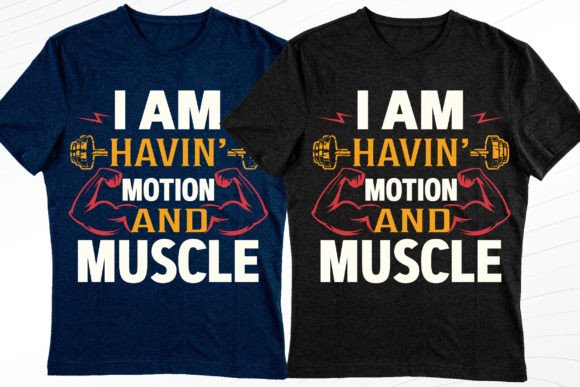
I ran a mental test with this design placed on a heather gray sweatshirt. The visual popped immediately. The contrast between dark thread and mid-tone fabric felt intentional and polished. But I also imagined it on a soft pastel tee for a different demographic. The same design can shift from gym-ready to casual weekend wear just by changing the thread palette and garment color. That versatility is valuable for custom apparel makers and Etsy sellers who need one design to serve multiple buyer personas.
Where This Design Shines in a Small Business Setting
I think about product applications constantly. An embroidery design has to earn its keep across multiple items to justify the production time and material cost. Here are the products where Motion and Muscle Trendy T-shirt Design feels most naturally at home.
- Sweatshirts and hoodies — The scale suits a chest or upper back placement, and the theme aligns with cozy, motivational apparel.
- Canvas tote bags — A sturdy fabric base handles medium-density stitching well, and the design adds personality to an everyday carryall.
- Structured caps — If the design is sized down and simplified, it could work on the front panel of a dad cap or snapback.
- Embroidered patches — With a proper border, this graphic could become a sew-on or iron-on patch for jackets and backpacks.
- Boutique gifts — Paired with a motivational tag, a stitched version on a pillow cover or zippered pouch makes a thoughtful personalized gift.
The Tote Bag Test
Let me walk you through a real scenario. I recently prepped a batch of embroidered tote bag samples for a small craft market. I tested several designs on medium-weight cotton canvas with a cutaway stabilizer. One design similar in structure to Motion and Muscle Trendy T-shirt Design performed beautifully because the bold outer shapes registered clearly even from a distance. That readability is crucial at a market table. A customer walking by has about three seconds to decide whether your product looks worth picking up. If the embroidery is a muddy mess of thread, they will keep walking.
For a tote application, I would hoop the canvas carefully with a firm stabilizer, slow down the machine speed slightly, and use a satin stitch border where the design allows. The result would be a clean, professional finished product that looks like it came from a boutique shelf, not a hobby corner. That perceived value translates directly into higher price points and repeat buyers.
Practical Embroidery Notes for Makers
Every design has quirks. The trick is knowing them before you ruin a perfectly good blank. Here is my working checklist for anyone planning to stitch Motion and Muscle Trendy T-shirt Design.
- Test on scrap fabric first. Do not let your first run be on a paid order. Use a similar fabric weight and stabilizer to catch any density or registration issues.
- Check thread color contrast. What looks great on a screen might blend into the fabric under real lighting. Hold a physical thread swatch against the garment before committing.
- Review stitch density. Overly dense areas can cause puckering, thread breaks, and a stiff hand feel. If the design feels too heavy, consult your digitizer about adjustments.
- Confirm hoop size. The design must fit comfortably within your available hoop with at least a half-inch margin for safe stitching.
- Inspect small details. Zoom into the digital preview. Look for tiny isolated shapes, thin connecting lines, or text elements that might close up during stitching.
- Test on light and dark fabrics. A design that reads perfectly on white can disappear on charcoal. Run a black-and-white mockup to check contrast thresholds.
- Use proper stabilizer. For stretchy garments like t-shirts, a no-show mesh stabilizer or a combination of cutaway and topping can prevent distortion.
- Verify licensing. Before selling finished items or including this design in a digital embroidery file bundle, confirm that commercial use is permitted under the seller's terms.
Stabilizer Choices That Make or Break the Outcome
I have learned the hard way that stabilizer selection is not optional. For a knit t-shirt, I would use a cutaway stabilizer with a water-soluble topper to prevent the stitches from sinking into the fabric pile. For a woven canvas tote, a tear-away stabilizer often suffices, but I lean toward cutaway for anything with significant stitch count. The Motion and Muscle Trendy T-shirt Design appears to have medium complexity, so I would not skimp on backing. A few extra cents in stabilizer can save an entire garment from the reject pile.
Small Hoop, Big Headaches: When to Scale Down Cautiously
One area where many makers trip up is trying to force a design into a smaller hoop than it was digitized for. If you plan to stitch Motion and Muscle Trendy T-shirt Design on a baby onesie, a narrow apron strap, or a curved cap panel, pay close attention to how the details reduce. Thin outlines can vanish. Text can become unreadable. Fill areas can turn dense and bulletproof. I always recommend running a stitch-out at the intended size on a scrap of similar fabric before committing to a tiny format. Sometimes the smarter move is to use the design on a larger panel and let the scale do the talking.
For products like baby embroidery items or delicate holiday ornaments, consider whether the athletic theme of this design aligns with the recipient. It might feel perfectly at home on a modern nursery pillow or a sporty baby bib, but it would feel out of place on a lacy christening gown. Matching design personality to product context is part of the craft, and it is something experienced makers develop as a sixth sense.
How This Design Impacts Product Value and Buyer Trust
When a customer holds an embroidered item, they form an impression within seconds. The texture, the clarity, the way the thread catches light. These small factors shape their willingness to pay a premium and their likelihood of returning. A design like Motion and Muscle Trendy T-shirt Design carries a modern, structured aesthetic that signals intention. It does not look like a generic clip-art transfer. Stitched cleanly, it communicates that the maker cares about quality and current style.
For small shop owners and handmade entrepreneurs, customer trust is everything. A single sloppy stitch-out photographed poorly in a listing can undo months of brand building. Conversely, a beautifully executed piece featuring this design becomes a shareable moment. The customer posts a photo. Their friend asks where they got it. That organic word-of-mouth drives more traffic than any ad spend. But the product has to deliver in person. A crisp, well-stabilized embroidery of Motion and Muscle Trendy T-shirt Design on a quality blank is exactly the kind of product that earns those referrals.
Fabric Considerations That Deserve Attention
Not every fabric welcomes embroidery equally. Stretchy jersey, thin rayon, heavily textured linen, and plush fleece all present unique challenges. For Motion and Muscle Trendy T-shirt Design, I would avoid extremely textured fabrics where the stitch definition could get lost. A smooth, tightly woven base shows off the graphic cleanest. If a client requests this design on a dark heathered fabric, I would test how the thread colors read against the mixed tones. Sometimes a subtle outline adjustment makes the difference between a design that recedes and one that commands attention.
Frequent washing is another reality. Embroidered items need to survive laundry cycles without fraying, puckering, or losing their shape. A securely digitized file, proper stabilizer backing, and tight thread tension all contribute to durability. When I stitch a handmade product destined for daily use, I wash the sample at least twice before listing it. If Motion and Muscle Trendy T-shirt Design passes that test on a cotton tee and a sweatshirt, I know it is ready for real-world wear.
The Commercial Angle: Selling Finished Goods and Digital Assets
Many makers and creative entrepreneurs operate in a dual space. They sell physical finished products at markets and online, and they also sell design assets or mockup previews to other crafters. For the physical side, this design fits a broad retail category. It can live in an activewear section, a motivational gift display, or a trendy accessories lineup. For the digital side, if you are creating printable mockup images or licensing your embroidery work, a design with strong silhouettes and clear thematic appeal photographs well. Buyers gravitate toward designs they can instantly visualize on their own products.
I would caution digital sellers to clearly label what is included in the file package. Does it contain multiple formats? What are the recommended dimensions? Is a color chart included? Buyers of digital embroidery files have widely varying skill levels, and a little clarity goes a long way in preventing refund requests and frustration.
Final Stitch Thoughts from the Workbench
Motion and Muscle Trendy T-shirt Design earns its place in a practical maker's library. It brings a confident, modern energy that suits a range of products from casual wear to curated gifts. The design's strength lies in its bold composition and thematic clarity. Makers who take the time to test their stitch-out, choose complementary fabrics, and match stabilizer to substrate will get the most out of this file. As with any T-Shirt Designs graphic repurposed for embroidery, the transition from print to stitch requires attention and respect for the medium. But when that care is applied, the results can feel elevated and genuinely sellable.
For the embroidery designer or craft business owner asking whether this design is worth the hoop time, my answer is yes, with the caveat that you treat it like a project, not a push-button afterthought. Test it thoroughly. Know your machine. And imagine the person who will wear or use the final piece. That perspective shapes every decision from thread choice to packaging, and it is what separates forgettable merchandise from a memorable handmade product.