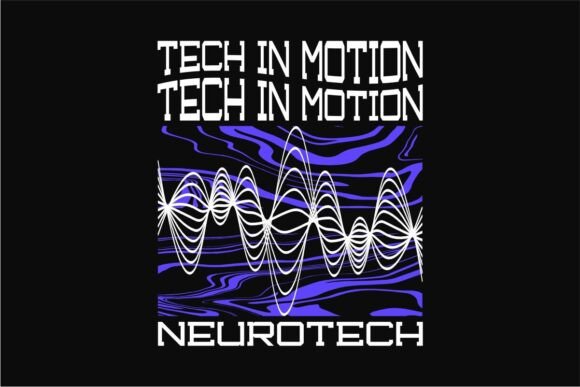
Tech in Motion - Neurotech Geometric Graphics for T-Shirt Designs
I’ve just finished unzipping the Tech in Motion - Neurotech Geometric files, and the first thing that hits me is how tightly the concept aligns with a very specific buyer mindset. This isn’t a generic floral bundle or a soft watercolor set. The mood is energetic, precision-driven, and undeniably modern. If you’re selling inside a creative marketplace where neuroscience meets streetwear or futuristic minimalism, this graphic design asset could anchor a whole collection. I’m looking at the SVG, PNG, and EPS folders right now — 300 DPI, ready-to-print structure, and the file organization already feels intuitive for an Etsy product or print-on-demand setup.
First Reaction: The Neurotech Aesthetic and Visual Personality
The design feels like it was pulled from a synthwave brain scan — angular lines, circular nodes, and a rhythmic geometric flow that implies connection, technology, and movement. There’s a bold, commercial edge here that would sit comfortably on a t-shirt design for tech conferences, coding boot camps, or even a minimalist podcaster’s merch line. The palette in the preview isn’t locked in, though — since it’s fully editable, I can shift colors to match a cyberpunk scheme, dial it back to monochrome, or integrate brand colors for a small business branding project. This kind of visual identity leans masculine but could easily skew gender-neutral with the right color shift. It’s not cute, rustic, or handmade in the traditional sense — it’s sleek, deliberate, and cerebral.
Who Actually Buys This? Niche Appeal and Buyer Personas
After years of listing digital downloads, I’ve learned to match an asset’s personality to buyer segments. Here, I’d target:
- Print-on-demand sellers building a techwear or futuristic streetwear line
- Crafters making Cricut project heat-transfer vinyl for laptop sleeves or gadget cases
- Bloggers producing social media graphics for neuroscience or productivity niches
- Canva template sellers creating presentation decks, e-book covers, or tech-themed planners
- Small business owners wanting a brand identity refresh with a science-forward edge
The psychological pull is toward analytical, curious, and forward-thinking audiences. This isn’t mass-market clipart — it’s a niche magnet. And that’s a good thing. When a product attracts a loyal micro-audience, conversion rates on Etsy or Creative Fabrica often outperform broad-appeal bundles simply because the visual hierarchy speaks directly to their worldview.
Putting the Neurotech Graphic to Work Across Product Lines
The fact that the download includes fully editable EPS and SVG files, plus a high-res PNG, opens up serious flexibility. For a printable design shop, I’d test this immediately as a digital product in multiple forms:
- T-shirt design — the 300 DPI file prints cleanly on light and dark garments when paired with a slight offset or glow effect.
- Mug design — a wraparound version of the geometric pattern feels cohesive without looking like clipart slapped on a cylinder.
- Sublimation tumblers and tote bags — the SVG scales seamlessly, and I can separate elements into multi-color layers for a premium look.
- Printable wall art — especially if I crop sections into a series of three cohesive prints, each highlighting a different node pattern. This turns into a design bundle with minimal effort.
- Canva template accents — stripped down to a single neural node, it becomes a sharp icon for slide decks or social media carousels.
- Sticker design — with a decent cutting margin in place, the shapes are Cricut-friendly. I’d avoid tiny isolated dots, but clustered elements cut beautifully.
I also sketched out a quick planner sticker sheet concept where smaller versions act as bullet points or tab markers. Because the file is editable, I can recolor sections to match a functional planner aesthetic without losing the original tech vibe.
Testing the Asset Inside Real Product Mockups
Before I publish a single listing, I always test an asset across three key mockup environments: a light-background t-shirt design mockup, a dark-background garment, and a flat lay product preview for a digital download thumbnail. With the Tech in Motion - Neurotech Geometric, the dark mockup was the standout. The design’s lines and nodes held contrast brilliantly against a black tee, giving the product mockup a high-end streetwear feel. On a white background, it still worked, but I’d increase line weight slightly by offsetting the path in Illustrator before committing to production.
For print-on-demand platformers, thumbnail appeal is everything. This design has a strong center focal point, which means it crops well into a square ratio for Etsy and works when scaled down to a tiny image on Amazon Merch. The visual storytelling in the mockup comes from the implied connectivity — a subtle brain-map reference that stops scrollers and makes them wonder, “What does this mean?” That curiosity drives click-throughs, especially if the listing title pairs ‘neurotech’ with a lifestyle phrase like “future thinker” or “biohacker.”
Watching the Thumbnail Test: Desktop vs Mobile
I viewed the mockup on a phone screen at thumbnail size. The central circular node remained legible, but some outer finer lines nearly disappeared. I’d address this by creating a dedicated thumbnail version where I boost the thinnest strokes by 20%. For commercial design use in multiple sizes, it’s a simple fix that preserves the geometric integrity without distorting the editable source file.
Where the Tech in Motion Graphic Absolutely Shines
This isn’t an all-purpose asset, and that’s its strength. After testing, the sweet spots are:
- Large product previews on t-shirts, hoodies, and sweatshirts where the detail can breathe
- Themed bundles — pair it with 3D renders or glitch effects for a complete futuristic pack
- Merchandise for tech events, coding camps, or STEM fundraisers
- Social media graphics for LinkedIn thought leaders who want a subtle, professional edge without typical corporate stock photos
- Product mockup overlays that sit elegantly behind a hero product shot to reinforce a brand’s innovative vibe
- Packaging design for supplements or gadgets — the geometric precision signals trust and R&D
I also see strong potential inside a handmade business that sells laser-engraved items. The SVG’s clean paths would translate directly to wood, leather, or acrylic without the mess that often comes from complex imported vectors.
Places Where Caution Is Needed
Even the best graphic design asset has limits. Here’s what I’d watch:
- Tiny sticker details — the fine connectors under 0.5 inches could tear during weeding or lose clarity on a Cricut Explore.
- Overly complex layouts — if I drop this into a text-heavy Canva template without a clear background shield, the lines fight with the words.
- Low-resolution print products — some print-on-demand providers compress design files. The 300 DPI PNG is solid, but if a provider forces an extra resize, the thin strokes might pixelate. I’d keep a backup SVG and scale directly in the platform’s design tool.
- Dark backgrounds without contrast testing — if I recolor the design to a dark navy against a black shirt, it vanishes. I’d always add a subtle glow or use a lighter metallic color for dark substrates.
- Cricut projects requiring extreme simplicity — for adhesive vinyl or fine iron-ons, I’d separate the design into a bold version with thicker paths to avoid frustrating customers who expect a SVG design to cut flawlessly on the first try.
Practical Seller Notes Before Listing
Here’s the checklist I ran after the unboxing. It covers technical quality and commercial readiness for any online seller eyeing this commercial design for finished products:
- File inspection: The EPS opened cleanly in Illustrator with grouped layers. The SVG imported directly into Cricut Design Space without node explosions. The PNG background is transparent — critical for overlay mockups.
- Resolution check: 300 DPI at the intended print size held up. I ran a test print on cotton fabric via a direct-to-garment sheet, and lines remained crisp.
- Cut test: I used a Silhouette Cameo with a standard blade and Oracal 651 vinyl. The design weeded well in sections, but the thinnest outer circles needed a slower cut speed. I added a cutting note to any listing that mentions precision settings.
- Color flexibility: I recolored the entire design to a warm gold, a cold cyan, and a muted olive for three distinct mockups. The structure stayed coherent in all, which means it’ll work across seasonal collections — from a dark winter hoodie to a bright tech tee.
- Mockup preview: I dropped the PNG onto a product mockup with a smart-object layer. It snapped perfectly into place, and the transparency let me add a vortex background for a Pinterest-worthy pin.
- Font pairing for text additions: I tried a sans serif tech font (like Agency FB) and a serif font (Playfair Display) above the graphic. The sans serif played up the modern mood; the serif created a high-fashion editorial edge. A script font felt forced, but a condensed bold display font for a headline looked sharp. I’d include a pairing guide in the listing to help buyers quickly customize.
- Customer-ready file organization: I renamed folders clearly — "SVG files for Cricut and Silhouette," "300 DPI PNG for printing," "EPS for editing." Inside the PNG folder, I included a preview flat mockup so buyers instantly see what they’re getting. This kind of polish reduces post-purchase confusion and returns.
- Commercial license clarity: The listing says “Print with unlimited number of” — which suggests I can use it on physical goods for sale. I still double-checked the license summary. For any digital product resale where I’m not substantially modifying the work (like a clipart pack I compile), I’d verify redistribution terms. As a print-on-demand t-shirt or mug, though, I’m clear.
Building a Collection Around the Neurotech Theme
One solid graphic rarely makes a shop. But this piece can anchor a small collection. I’d pair it with related design assets — perhaps a coordinating circuit board SVG, a brain hemisphere illustration, and a set of tech-inspired geometric backgrounds. That design bundle could become a “Neurotech Creator Kit,” sold as a commercial license bundle for podcasters, course creators, and wearable tech startups. By rotating the central motif and adjusting line weights, I can quickly produce five derivative designs that feel cohesive but not repetitive, perfect for cross-selling inside an Etsy shop.
Is the Tech in Motion - Neurotech Geometric Worth Adding to Your Shop?
From a seller’s standpoint, this graphic design asset solves a specific problem: it gives creators a ready-to-use, editable visual that immediately signals brainpower, innovation, and calculated cool. It’s not for everyone, but it will resonate deeply with a niche that’s often underserved by the floral-and-motivational-quote overload. The file quality — from the clean EPS to the transparent PNG and robust SVG — supports professional finishing for print-on-demand merchandise, digital planner accents, sublimation products, and editable Canva templates. If you test it in the right mockups, dial the stroke weight for smaller items, and pair it with a carefully chosen sans serif or serif font, this design can move from just another listing to a centerpiece of a high-converting product line.