Retro Cowgirl North America Design Embroidery Review
When I first opened the Retro Cowgirl North America Design file, I felt that immediate spark of recognition that only comes from a graphic with genuine personality. There is nothing generic about this one. The fearless cowgirl caught mid-motion, the vintage styling, and the unapologetically bold western energy all hit at once. I have reviewed hundreds of machine embroidery design files over the years, and I can tell you right away when something has that rare mix of attitude and wearability. This one does.
But looking good on a screen is only half the story. What matters is how a design translates into thread on fabric, how customers react when they see the finished product, and whether it holds its own in a crowded marketplace. So I spent time thinking through how this graphic would actually perform in real embroidery project scenarios, from a rushed custom order to a carefully curated craft fair display.
First Impression And Visual Mood
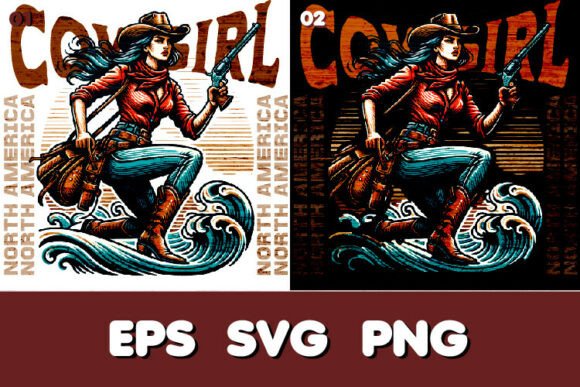
The composition grabs attention without shouting. The cowgirl figure is dynamic, leaning into motion with a confident posture that feels both nostalgic and fresh. The retro styling gives it a worn-in, classic Americana feel, the kind of visual that reminds people of old rodeo posters and sun-faded denim. There is warmth here, and a sense of story. When I imagine this stitched out on a garment, I see something that sparks conversation.
What surprised me was how balanced the layout felt. Many western-themed designs lean too heavily on heavy outlines or awkward proportions, but this one holds its shape well. The action pose creates natural movement that would read beautifully across a chest placement on a sweatshirt or centered on the back of a denim jacket. It is not static, and that makes a real difference in how the finished product feels to a buyer.
Where This Design Truly Belongs
Let me be specific about placement, because not every design works everywhere. The Retro Cowgirl North America Design is what I would call a statement piece. It wants room to breathe. I would reach for this immediately when planning a custom apparel project, especially a unisex sweatshirt or a relaxed-fit t-shirt in a neutral tone. The graphic has enough presence to carry a garment on its own without needing extra text or flourishes.
Beyond clothing, I kept picturing this on a sturdy canvas tote bag. Something about the western motif paired with natural cotton canvas feels right. It would also make a striking embroidered patch, sewn onto a backpack or jacket sleeve. For anyone selling at a boutique or craft market, a tote bag design featuring this graphic could easily become a signature item that customers recognize from across the room.
I also thought about home décor. A pillow cover in a rustic living room, a kitchen towel with a bit of southwestern flair, even a framed hoop art piece for a nursery with a subtle western theme. The versatility surprised me. It is not just a T-Shirt Designs asset; it crosses into lifestyle products naturally.
The Cowgirl Appeal For Buyers
There is a growing appetite for western-inspired aesthetics that feel authentic rather than costume-like. This design taps into that perfectly. The retro cowgirl archetype resonates with a wide audience, from rodeo enthusiasts to people who simply love vintage Americana style. When I think about customer reactions, I imagine someone picking up a handmade product with this design and feeling an instant emotional connection. That kind of response translates directly into sales and repeat customers.
For Etsy seller shops and small craft businesses, having a design that tells a story gives you an edge. You are not just selling a shirt or a patch. You are selling a feeling of freedom, nostalgia, and quiet strength. This graphic delivers that message clearly.
Real Project Scenario: The Custom Sweatshirt Order
Let me walk you through how I would approach a real project with this design. A client reaches out wanting a personalized gift for her sister who competes in barrel racing. She wants something wearable but meaningful, something her sister would actually use. I would pull up the Retro Cowgirl North America Design and instantly know it fits the brief.
I would test the design first on a scrap of similar fabric, a medium-weight cotton blend fleece in heather grey. The thread color choices matter enormously here. I would sample a warm rust tone for the main figure, maybe an off-white or cream for highlights, and a deep charcoal for the outline details. The contrast needs to be sharp enough to hold clarity but soft enough to maintain that vintage feel.
Stabilizer choice is critical on fleece. A medium-weight cutaway stabilizer underneath prevents the dense stitch areas from sinking into the fabric nap. I would also float a layer of water-soluble topping over the surface to keep the stitches crisp on top of the textured fabric. Without these steps, even a beautiful embroidery file can look muddy and undefined.
Small Hoop Considerations
One thing I always check before committing to a design is whether it scales down gracefully. Many action-packed graphics lose their readability when shrunk to fit a small hoop size. With this design, I would be cautious about going too small. The cowgirl figure has motion and detail that could close up if reduced too aggressively. I would keep it at a generous size for maximum impact and clarity. If you need a smaller version, test stitch it first on a similar fabric and inspect every detail before offering it to customers.
Fabric Performance And Texture Challenges
Not every fabric welcomes a dense satin stitch or heavy fill stitch area. On thin fabrics like lightweight rayon or sheer cotton, the stitch tension can pull and pucker, ruining the clean lines of the design. I would avoid using this graphic on anything too delicate. Instead, stick with stable, medium-weight fabrics that can support the stitch density without distortion.
Stretchy fabrics present their own problems. If you are planning a fitted t-shirt or a performance fabric garment, the design needs proper stabilizer support and possibly a slight underlay adjustment. I would test on a stretchy knit scrap first and watch how the stitches behave after the fabric is stretched and released. A design this bold deserves substrates that treat it well.
Dark fabrics are another factor. The vintage styling of the Retro Cowgirl North America Design might rely on some lighter thread tones that could get lost against a black or navy background. I would run a quick mockup, either digitally or with a printed preview, to confirm that the contrast holds up. If it looks muddy, adjusting one or two thread colors can make all the difference.
Curved Surfaces And Cap Embroidery
Embroidering on caps and hats is its own skill set, and not every Graphics design translates well to a curved surface. The cowgirl figure, with its horizontal motion, could work on a structured cap front if positioned carefully. The key is making sure the design does not wrap too far into the side seams where distortion happens. A slightly reduced size and a centered placement would be my approach, but I would run a full test on an actual cap before offering it as a product option.
Stitch Quality And Detail Inspection
When I evaluate any digital embroidery file, I look closely at how the stitch types are assigned. Running stitches for fine details, satin stitches for bold outlines, and fill stitches for larger solid areas all need to work together without overcrowding. Too much density in one spot can cause thread breaks and needle deflection. Too little density leaves gaps that make the design look cheap.
I would carefully inspect the small details in the cowgirl figure. The facial features, if present, the hat brim, the reins, and any decorative accents need to remain legible. If the details feel too tight or dense, I might adjust the stitch angle or reduce the density slightly in those areas. These small tweaks separate a professional finished product from something that looks homemade in the wrong way.
Commercial Use And Licensing Awareness
Before you stitch this design onto anything you plan to sell, pause and confirm the licensing terms. Many design assets come with restrictions on commercial use, and assuming you have full rights can lead to serious problems down the road. Check whether the Retro Cowgirl North America Design allows for use on physical products you sell, and whether there are any limits on quantity or product type. If the terms are not clearly stated, reach out to the seller or designer directly. It is a small step that protects your craft business in a big way.
Giftability And Customer Perception
I think a lot about how a product feels when someone unwraps it. A personalized gift featuring this design has real emotional weight. The western theme appeals across generations. A grandmother who grew up on a ranch might love it just as much as a teenager who discovered vintage Americana through social media. That broad appeal makes it a safe choice for holiday gifts, birthday presents, and even wedding party items with a rustic theme.
For small shop product lines, consistency matters. If your brand leans western, bohemian, or outdoorsy, this design fits naturally into your existing catalog. It strengthens your brand identity rather than diluting it. Buyers recognize a cohesive aesthetic, and they trust shops that curate thoughtfully.
Testing Before You Commit
Here is my practical checklist before stitching the Retro Cowgirl North America Design for any paid project or customer order.
- Test on scrap fabric that matches the final product material.
- Check thread color contrast under natural and indoor lighting.
- Review stitch density and watch for puckering or gaps.
- Confirm hoop size compatibility with your machine.
- Run a black and white mockup to test value contrast.
- Compare results on light and dark fabric backgrounds.
- Use appropriate stabilizer for the fabric type.
- Inspect fine details with magnification after stitching.
- Wash the test piece to check durability and colorfastness.
- Verify licensing before selling finished items or digital products.
Who Should Use This Design
I see this working beautifully for apparel decorators who cater to western lifestyle customers, craft fair vendors looking for standout inventory, and digital product sellers who need compelling mockup visuals. It also suits hobbyists who want to create something special for themselves or as a gift without a huge learning curve. The design is approachable but not boring, detailed but not overwhelming.
For Etsy sellers, this is the kind of listing that catches the eye in search results. A well-lit photo of a sweatshirt or tote bag featuring this graphic, styled with some curated props like a leather strap or a bandana, tells a complete story in a single image. That is what stops a scroll and earns a click.
When To Choose A Different Design
This graphic might not be the right fit for every project. If you need something ultra-minimalist, or if your customer base prefers soft, delicate imagery, the bold action of this cowgirl could feel out of place. Similarly, if you are working with extremely small embroidery areas like infant onesie fronts or narrow hat brims, the detail level may not reduce well. Know your limits and be honest about what the design needs to succeed.
Also, if you are stitching on highly textured fabrics like terry cloth or thick fleece, expect some loss of fine detail. A running stitch outline can sink into the pile and lose definition. In those cases, you might need to simplify the design or choose a different fabric.
Final Practical Thoughts
After spending time analyzing every angle of the Retro Cowgirl North America Design, I can say it earns its place in a serious maker's library. It has the visual punch, the nostalgic mood, and the commercial potential that many designs promise but few actually deliver. Whether you are stitching a single embroidered patch for a friend or building a whole product line around western-inspired goods, this graphic gives you a strong foundation.
What I appreciate most is how it respects the craft. It does not rely on gimmicks or trends that will fade in six months. Western style endures, and a well-executed cowgirl design never really goes out of fashion. Treat it right with proper testing, smart fabric choices, and honest licensing, and it will serve your craft business well for a long time.
My advice is simple. Get the file, run your tests, find the fabric that makes it shine, and put it in front of customers who appreciate authenticity. From one designer to another, this is a graphic worth stitching.