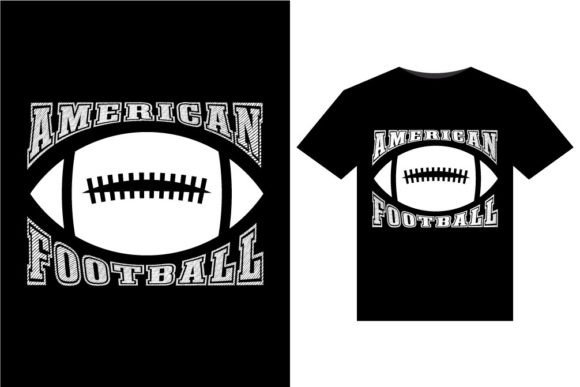
American Football T-Shirts Design: A Real-World Embroidery Review
First Impressions of the Football Illustrations
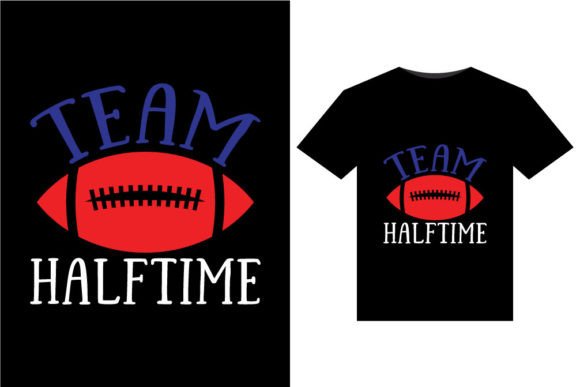
When I opened the collection of American Football T-shirt designs, the first thing that struck me was the energy. These are not static, flat icons. The illustrations carry a game‑day tension, full of dynamic player poses, football silhouettes, and movement that feels almost explosive on screen. For someone who stitches out designs daily, I immediately started mentally translating these vector graphics into thread and fabric.
The shapes are bold and confident. You see wide receiver stretches, quarterback throwing motions, and running back stances that read clearly even at a quick glance. That clarity is the cornerstone of a good embroidery design asset. Busy or overly detailed vector art often collapses into a muddy mess under the needle, but these American Football T-Shirts Design files lean on strong outlines and open interior spaces. That means fewer tiny satin‑stitch fragments and more breathing room, which keeps a finished piece looking professional rather than homemade.
The visual personality is undeniably game‑ready. It does not whisper “sporty accent”; it announces football fandom without apology. The layout of each piece feels intentional — most compositions sit well within a standard portrait or landscape hoop, and the proportions don't need heavy tweaking before you start digitizing. For a small shop owner or Etsy seller who wants to personalize apparel quickly, that is a genuine time‑saver.
What I appreciate most is the versatility hiding inside what looks like a narrow theme. You are not stuck with one mood. Some graphics lean toward aggressive, competitive visuals perfect for team spirit, while others have a more playful, almost vintage athletic vibe that could work beautifully for a child's hoodie or a cozy blanket. That range matters when you are planning a product line for a craft business and need a cohesive look across multiple items.
Apparel That Makes an Impact
I keep picturing a heavyweight sweatshirt, maybe in heather grey or deep navy, with one of the quarterback‑in‑motion illustrations stitched across the chest. The American Football T-Shirts Design pack contains artwork that begs to be the centerpiece of a custom apparel piece. Because the vectors are fully resizable, you can scale a graphic up to back‑panel size on a jacket or down to a left‑chest logo without losing crispness. That is gold when you are building a small batch of matching gear for a local flag football team or a Super Bowl party order.
T‑shirts are the obvious home, but do not overlook layered garments. A zip‑up hoodie with an embroidered football graphic on the upper back and a small coordinate motif on the sleeve feels boutique‑level thoughtful. Dark fabrics are especially kind to these designs; the contrast makes white and bright thread pop, and the bold composition holds its own against textured knit surfaces.
Accessories and Gift Items
Think past clothing. One of my favorite recent tests was pulling a running‑back illustration from this set and turning it into an embroidered patch. With a merrowed border and adhesive backing, it turned into a quick, high‑margin item that sold well at a local craft fair. Patches give customers instant customization — they can iron them onto backpacks, jeans, or caps without any sewing skill.
A tote bag is another surprisingly good match. Using a generous hoop, I placed a football‑in‑flight graphic on the front pocket of a canvas bag. The satin stitch on the laces held up well, and the finished product looked like something a college bookstore would carry. The same design could easily translate to a pillow cover for a game‑room couch or a kitchen towel trimmed with a small football icon for a tailgating set. The illustrations adapt well to holiday gifts, especially when you stitch them on a cozy throw blanket during football season.
For baby embroidery, the trick is selecting the softer, less intense graphics from the pack. A onesie with a tiny embroidered football and a cute “future quarterback” text (added separately) delights new parents. The scaled‑down stitches remain readable, and the minimal fill means the fabric stays soft against delicate skin. That kind of thoughtful repurposing is exactly what helps a digital product seller stand out.
Small Details and Hoop Size Restrictions
Not every illustration in the American Football T-Shirts Design set will work in a tiny 4x4 hoop. A few designs contain thin contour lines around face masks, shoe cleats, and jersey wrinkles. While those details look incredible as vector graphics, they demand careful digitizing to avoid thread breaks or puckering on unstabilized fabric. I strongly recommend testing the stitch‑out of any design that features tiny lettering or dense parallel columns. If you plan to sell commercial embroidery products, consistency matters more than complexity — sometimes simplifying a detail is the smarter business move.
On curved surfaces like caps, the challenge increases. The pronounced curve of a baseball cap front can distort a wide horizontal design, making a football shape warp oddly. I found that vertical or more contained compositions, like a stacked football‑and‑helmet motif, sit much better on a cap brim. Always run a sample on a similar cap frame before committing to a bulk order.
Fabric and Stabilizer Pairings
Lightweight, stretchy fabrics such as performance tees or thin jersey need extra love. The pull of dense fill stitch can create ripples around a football graphic if you skip a proper cutaway stabilizer. On the other hand, a sturdy canvas tote or denim jacket handles almost any digitized version beautifully, even with some built‑in push and pull compensation.
Textured fabrics like waffle‑knit or terry cloth can eat small details. I learned early on that a design relying heavily on fine running stitches might disappear into a plush towel. For tea towels or aprons, choose the boldest, least intricate illustrations from the pack. They stand up to texture and still read clearly across a kitchen.
How the Designs Affect the Finished Product’s Appeal
When you stitch out an American Football graphic that is well‑digitized, the result feels expensive. The visual weight of the design gives a $15 blank tee the aura of a $40 specialty shop item. Customers who buy personalized gifts are drawn to the recognizable, passionate theme. A father receiving a custom embroidered cap with his son’s favorite sport graphic does not see a stock vector — he sees a keepsake. That emotional response is tied directly to the bold, unapologetic presence of these illustrations.
From a brand consistency angle, these graphics let you build a mini‑collection. You can offer a sweatshirt embroidery option, a matching dog bandana, a matching patch, and a tote bag design all unified by the same football motif. Buyers perceive greater value and often add multiple items to their cart. When the stitch clarity holds across different items, your handmade product earns trust and repeat sales.
One subtle advantage: the designs hold up remarkably well in black‑and‑white mockups. For Etsy sellers who need printable preview images, a high‑contrast graphic converts generously into a clean, convincing mockup. That can improve click‑through rates on a listing without extra photo editing work.
Practical Embroidery Designer Notes for Using These Graphics
Every time I test a new illustration pack, my studio routine follows a few non‑negotiable steps. With these American Football T-Shirts Design vectors, the same rules apply.
- Test on scrap fabric first. Even the best vector art needs tweaking once you turn it into a stitch file. I run a sample on the exact fabric and stabilizer I plan to sell. A football shape that looks perfect on cotton twill might need density adjustments on fleece.
- Check thread color contrast carefully. The designs often include overlapping elements like a football in front of a player silhouette. Choose threads that differentiate those layers; otherwise, the composition flattens out. A light grey shadow under a dark brown football can make a world of difference.
- Review stitch density and pull compensation. Because these are vector graphics originally meant for print, the fill areas can be large. If you digitize them with default settings, you risk a stiff, bulletproof patch feel. I lighten the density slightly for apparel so the garment remains wearable.
- Inspect small details at actual size. I print a paper template of the design at the intended stitch size and lay it on a real garment. If I have to squint to see helmet bars or laces, I know they won’t read well in thread. I either enlarge the design or simplify those spots.
- Test in black‑and‑white mockups. A quick grayscale preview can reveal if a design relies too heavily on color to convey the subject. A good football graphic should still look like a football even without the brown thread. This matters for customers who see your listing on a monochrome phone screen.
- Compare light and dark fabric backgrounds. I stitch the same design on white, heather grey, and black scraps. Some outlines that pop on a light base disappear on charcoal. I note which backgrounds work best and advise customers accordingly in product descriptions.
- Use proper stabilizer for the fabric type. I keep a chart handy in my studio. For a thick hoodie, a medium cutaway; for a thin baby onesie, a lightweight fusible no‑show mesh. The right backing preserves the clean edges of these football illustrations wash after wash.
- Confirm licensing before selling. The product description highlights that these are 100% vector and resizable, ideal for print‑ready designs. However, I always double‑check whether the included license allows finished commercial embroidery products to be sold on Etsy, at craft fairs, or through a website. If the terms are not explicit, reach out to the designer to avoid unexpected issues later.
One more note that often gets overlooked: these illustrations were created as Graphics for T‑Shirt Designs, so they are perfectly suited for print applications like screen printing or DTG. My embroidery review assumes you are converting the vectors into embroidery files yourself, or hiring a digitizer. Be realistic about the extra step involved. The strength of the source material makes the conversion very doable, but it does require an intermediate skill set. If you are new to digitizing, start with the simplest, boldest graphic in the pack and work your way up.
In my workshop, the American Football T-Shirts Design collection has already earned a permanent spot in my reference folder. It won't replace a dedicated embroidery file library for every job, but for custom sports gifts, boutique game‑day merchandise, or quick handmade patches, these vector illustrations give me the creative flexibility I need. Treat them as a starting point, respect the fabric, and let your stitch‑out do the talking.