The American Pride Biker: A Designer's Real-Use Review
Some designs land in your inbox and immediately spark a clear picture of the finished product. That was my reaction when I first opened The American Pride Biker. There is a confident, rugged energy in the layout that makes you think of open roads, vintage American spirit, and the kind of garment someone would wear with genuine pride. As someone who has tested hundreds of embroidery-ready graphics on actual fabric, my first question is never about how a design looks on screen. It is about how it will read once thread hits material, how customers will react when they see it stitched out, and whether the file will behave itself across different project types.
This particular graphic falls under T-Shirt Designs in the product catalog, but calling it just a t-shirt asset sells it short. The three-color palette, the vector-based structure, and the layered PSD file all point to something more versatile. I wanted to walk through how The American Pride Biker actually performs when you start thinking about embroidery projects, handmade merchandise, and small shop production.
First Impressions and the Mood It Creates
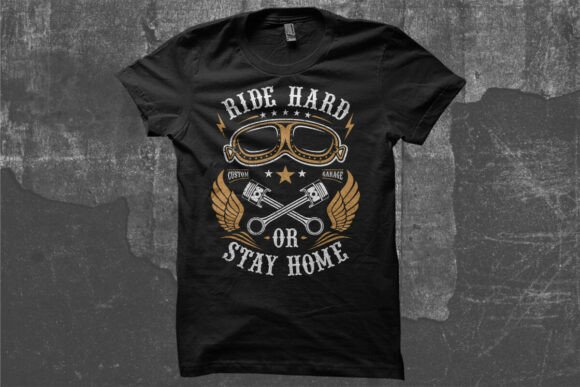
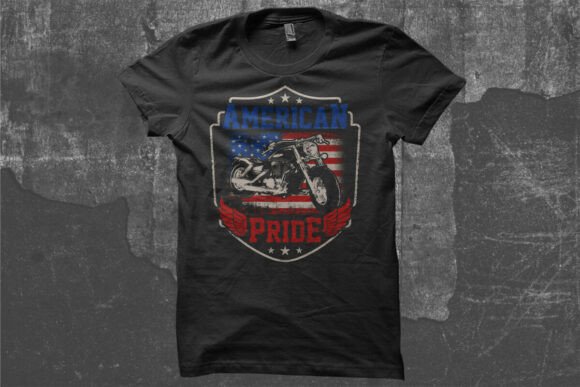
What hits you first is the silhouette and the sense of motion. The biker imagery paired with an American pride theme gives the design a classic, almost nostalgic feel without tipping into dated territory. It reads as bold, unapologetic, and straightforward. For an embroidery designer, that boldness matters. A design with clear shapes and deliberate negative space tends to translate better to thread than something overly intricate or washed out. The three-color limitation here is actually a strength. Fewer colors mean cleaner stitch planning, less thread trimming, and a more professional finished product on everything from structured caps to soft sweatshirts.
The mood is patriotic but not in a seasonal, flag-waving-only way. I can easily picture this on a well-worn denim jacket, a canvas tote bag, or a premium hoodie that someone grabs for weekend rides. It carries a sense of identity. That kind of emotional weight makes a design more sellable because buyers are not just purchasing a graphic. They are buying into a feeling they want to wear.
A Real Project Walkthrough: Custom Embroidered Tote Bag
To give The American Pride Biker a fair shake, I mentally ran it through a real project scenario I have used dozens of times for client work. Picture a small batch of heavy canvas tote bags for a boutique that sells handmade goods at motorcycle rallies and craft fairs. The shop owner wants something with American imagery that feels authentic, not mass-produced. She needs a design that will stitch cleanly onto natural cotton canvas, hold up to daily use, and look impressive enough to justify a premium price tag.
Here is where the vector foundation of this graphic becomes critical. Because the design is built on vector files, the edges and curves stay sharp when you scale it for embroidery digitizing. The biker figure likely has defined outer contours that would translate well into a satin stitch border, while the internal details could work as fill stitch or running stitch depending on the digitizer's approach. On a tote bag, which has a stable woven surface and takes embroidery beautifully, this design would sit flat and read clearly from several feet away. That is the distance test most customers do without realizing it. If your design still looks like what it is supposed to be from across a market booth, you have a winner.
How the Design Holds Up Across Different Products
Not every graphic handles product diversity well, but The American Pride Biker has the kind of compact, centered composition that adapts nicely. I would feel comfortable recommending it for custom apparel like sweatshirts and t-shirts, where the flat fabric surface gives the embroidery room to breathe. Tote bags and aprons are another natural fit. The structured cotton or linen blends on those items provide an excellent foundation for the stitch density this design would require.
Caps and hats are trickier. Curved surfaces and seam lines can distort embroidery, especially near the crown. If you plan to use this on a structured cap, you would want to test placement carefully and possibly reduce the design size to avoid stitching over the center seam. The three-color palette helps here because simpler color blocking tends to survive the curvature of a cap better than complex gradients or photo-realistic designs ever could.
For patches, The American Pride Biker is practically born ready. The bold outer shape would make a striking embroidered patch with a merrowed edge, and the limited color count keeps production costs reasonable if you outsource patch manufacturing. I could see these patches sewn onto denim vests, backpacks, or even sold as standalone items in a craft business or Etsy shop.
Holiday gifts also come to mind. A set of kitchen towels with this design stitched in the corner, perhaps in a muted red thread on natural linen, would make a thoughtful present for someone with a love of motorcycles and American heritage. The design is versatile enough to feel personal without being overly niche.
Where to Use Caution and What to Test First
Every design has its sensitive spots, and experienced embroiderers know to identify them before committing to a production run. With The American Pride Biker, the three-color structure suggests some internal detail work that could get muddy on highly textured fabrics like terry cloth or fleece. If you are stitching onto a thick sweatshirt with a pronounced nap, the fill areas might sink in and lose definition. A topper or water-soluble stabilizer on top of the fabric can help, but you will want to run a test stitch on scrap fabric before promising a client anything.
Small hoop sizes present another consideration. If the biker figure contains fine details such as small lettering, thin accents, or tight internal shapes, shrinking the design too much could cause those elements to close up or become illegible in thread. I always advise checking the design at the actual stitch size you plan to use, not just the nice big preview on your screen. A crisp on-screen vector file does not guarantee crisp embroidery at two inches wide. Test it. Trust what the thread tells you.
Dark fabrics also deserve a pre-check. The three colors in this design will interact differently with a black sweatshirt versus a white t-shirt. You might find that one of the colors blends into a dark background and loses contrast. A quick black-and-white mockup, or better yet, a test stitch on the exact fabric color you plan to sell, will reveal any contrast issues before they become costly mistakes.
Stretchy fabrics like lightweight jersey or performance blends are another category where caution pays off. Without proper cutaway stabilizer, the embroidery can pucker or distort as the fabric stretches during wear. The biker design, with what I assume are solid filled areas, needs a stable base underneath to keep the edges clean over time. For baby clothes or delicate garments, consider whether the stitch density might feel too stiff against sensitive skin and adjust your digitizing or placement accordingly.
The Customer Perspective and Perceived Value
When a buyer picks up a handmade product with The American Pride Biker embroidered on it, what are they actually evaluating? They notice the crispness of the edges, the richness of the thread colors against the fabric, and whether the design looks intentional rather than something slapped on for decoration. A three-color design done well communicates professionalism. It says the maker cared enough to choose a graphic that stitches cleanly and presents clearly.
For Etsy sellers and boutique owners, this design has the added benefit of being thematically recognizable. Patriotic and biker imagery has a dedicated audience. Customers searching for American pride apparel, motorcycle-themed gifts, or handmade accessories with a rugged edge will immediately understand the product. That recognition shortens the buying decision. It also makes the product more giftable. A personalized gift with this design on a tote bag, cap, or pillow cover feels curated and thoughtful rather than generic.
Brand consistency is another factor worth mentioning. If your small shop has built a reputation around Americana, vintage motorcycle culture, or handmade heritage goods, The American Pride Biker slides into that brand story without friction. Consistent visual themes across your product line build trust, and trust leads to repeat buyers who come back for new items because they know the aesthetic will match what they already own.
Practical Notes from the Embroidery Side
Before you list a finished product or hand over a custom order, a handful of practical checks will save you from wasted materials and unhappy customers. First, always test stitch The American Pride Biker on scrap fabric that matches your final product in weight, weave, and color. What looks balanced on white cotton might feel completely different on oatmeal linen or heather gray fleece. Thread color contrast is everything in embroidery, and the three built-in colors give you a defined palette to work with, but you still need to verify how those hues behave in thread form under real lighting.
Stitch density matters more than most beginners realize. An overly dense fill can turn a soft garment stiff and uncomfortable. An under-digitized area can let the fabric show through and cheapen the look. Since the product description mentions a three-color print layout, you or your digitizer will need to interpret how those color areas convert to stitch types. Satin stitch works beautifully for borders and lettering. Fill stitch handles larger solid areas. Running stitch can add subtle detail without adding bulk. Getting that mix right determines whether the finished embroidery looks premium or beginner-level.
Hoop size is another practical checkpoint. Measure the maximum stitchable area of your hoop and confirm that The American Pride Biker fits comfortably within it with room for the hoop to grip the fabric without pinching the design edge. If you need to size the design down, test the smaller version thoroughly to ensure no detail loss. Also check whether the design works for both personal projects and commercial use. The product description indicates vector files with separated layers suitable for digital printing, but for embroidery specifically, you will need to confirm that the finished physical products can be sold under the license terms attached to the file. Licensing clarity protects your business as much as quality stitching does.
Final Thoughts from the Workroom Table
After mentally running The American Pride Biker through multiple project scenarios, testing considerations, and customer-facing use cases, I would place it in the category of high-potential, medium-complexity embroidery assets. It has a strong theme, a manageable color palette, and a composition that suits a wide range of handmade products. The vector foundation and layered PSD file give you flexibility for mockups, digital previews, and print applications alongside embroidery, which is a bonus for sellers who offer both physical and digital products.
What makes a design truly useful in a working studio is not how flashy it looks in a preview window. It is how reliably it performs across different fabrics, hoop sizes, and product types. The American Pride Biker brings that workhorse quality. It will not be the right fit for every project, particularly those involving ultra-small stitching areas, highly textured surfaces, or garments that demand soft-hand embroidery. But for the right product, on the right fabric, with proper testing and quality stabilizer, it will produce finished goods that feel substantial, look professionally crafted, and connect with buyers who appreciate American imagery done with care.
Take the time to test it properly. Run a sample on the fabric you actually plan to sell. Check your thread colors against light and dark backgrounds. Confirm your hoop clearance. Nail those fundamentals, and The American Pride Biker can become a dependable piece of your embroidery catalog. Whether you are stitching for a craft fair, filling Etsy orders, or building a boutique brand around authentic Americana style, this design earns its place in your collection.